 Reserve & Buy Online
 Hand-Picked, Never From Auction
 Home DeliveryReserve & Buy OnlineHand-Picked, Never From AuctionHome Delivery
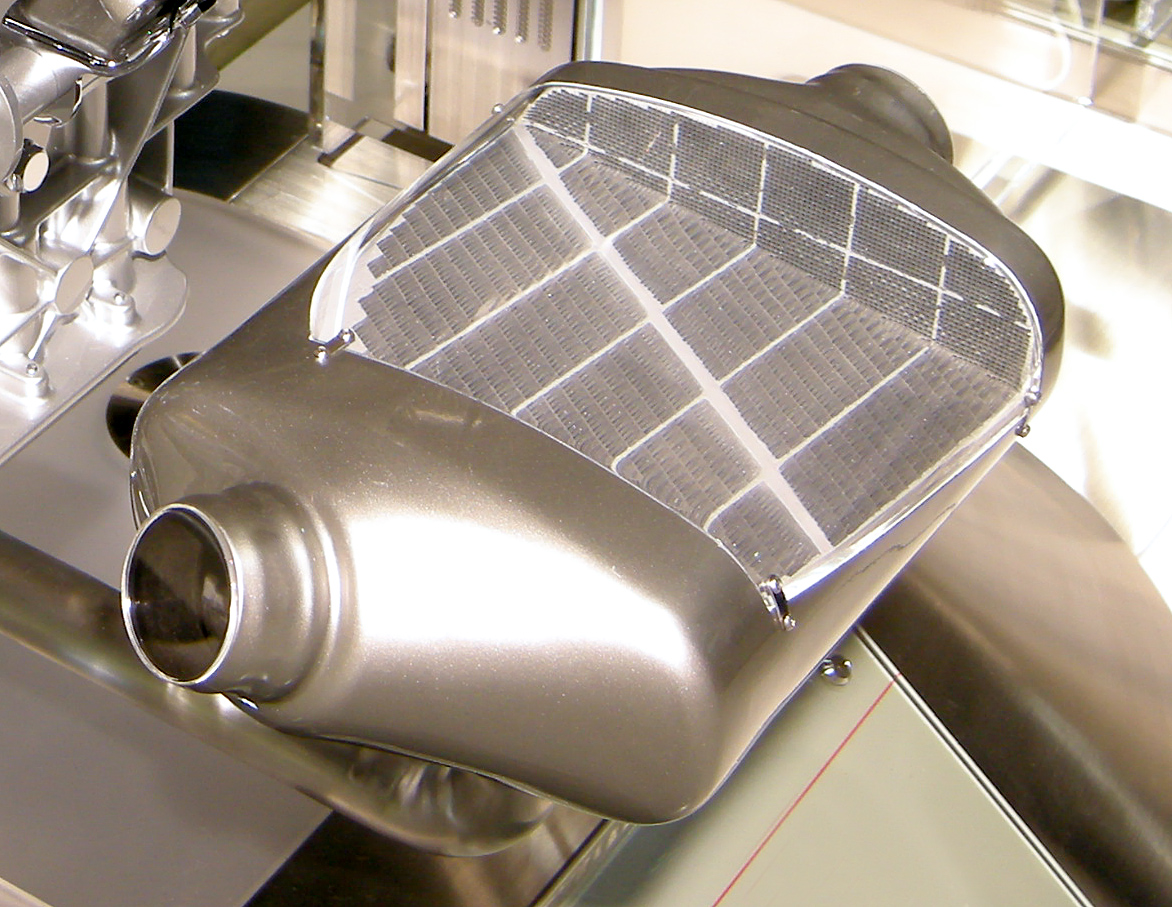
If you drive a diesel from the last fifteen years or so, it almost certainly has a DPF. Most of the time you’ll never know it’s there. Then one day a warning light comes on, and it’s worth knowing what it means before it turns into a big bill.
The diesel particulate filter sits in the exhaust and catches the soot a diesel engine makes, so it doesn’t come out of the tailpipe. As it fills up, the car burns the soot off by running the filter very hot. That’s called regeneration.
On a good run it happens on its own and you won’t notice. The trouble starts when it doesn’t get the chance.
Regeneration needs the exhaust to get hot and stay hot, and that takes a decent run at a steady speed. A diesel that only ever does short trips never gets there, so the soot keeps building up.
Other things make it worse: a faulty sensor, an injector or EGR fault making extra soot, or the wrong oil. DPF cars need a low-ash oil for a reason.
When the filter’s getting full, a DPF light comes on. On most cars it’s asking for a run of 15 to 20 minutes at a steady speed so it can regenerate. Your handbook will tell you exactly what your car needs.
If the light stays on after that, or other warning lights join it, get it looked at. Keep driving it like that and the filter can block completely, and then it’s a much bigger job.
If almost all your driving is short trips, it’s fair to ask whether a diesel is the right car for you at all.
You’ll see adverts offering to remove the DPF. Don’t. It’s illegal to drive a car with its DPF removed, and it’ll fail the MOT.
We find out why the filter’s blocking first, because a regeneration on its own won’t last if a fault is causing it. A forced regeneration is £120 and a DPF flush and clean is £300. We’ll never remove one.
Not long. Try a steady run first. If the light doesn’t go out, get it checked soon, because a fully blocked filter costs a lot more to sort.
Often, yes. Depending on how blocked it is, a forced regeneration or a flush and clean can bring it back without replacing it.
Many newer petrol cars have a similar filter, called a GPF or OPF. They tend to block less because petrol engines make less soot and run hotter, but regular longer runs help them too.
Forced regeneration £120, DPF flush and clean £300. Never removed.



 0114 698 1430
 sales@gtautomotivegroup.co.uk