 Reserve & Buy Online
 Hand-Picked, Never From Auction
 Home DeliveryReserve & Buy OnlineHand-Picked, Never From AuctionHome Delivery
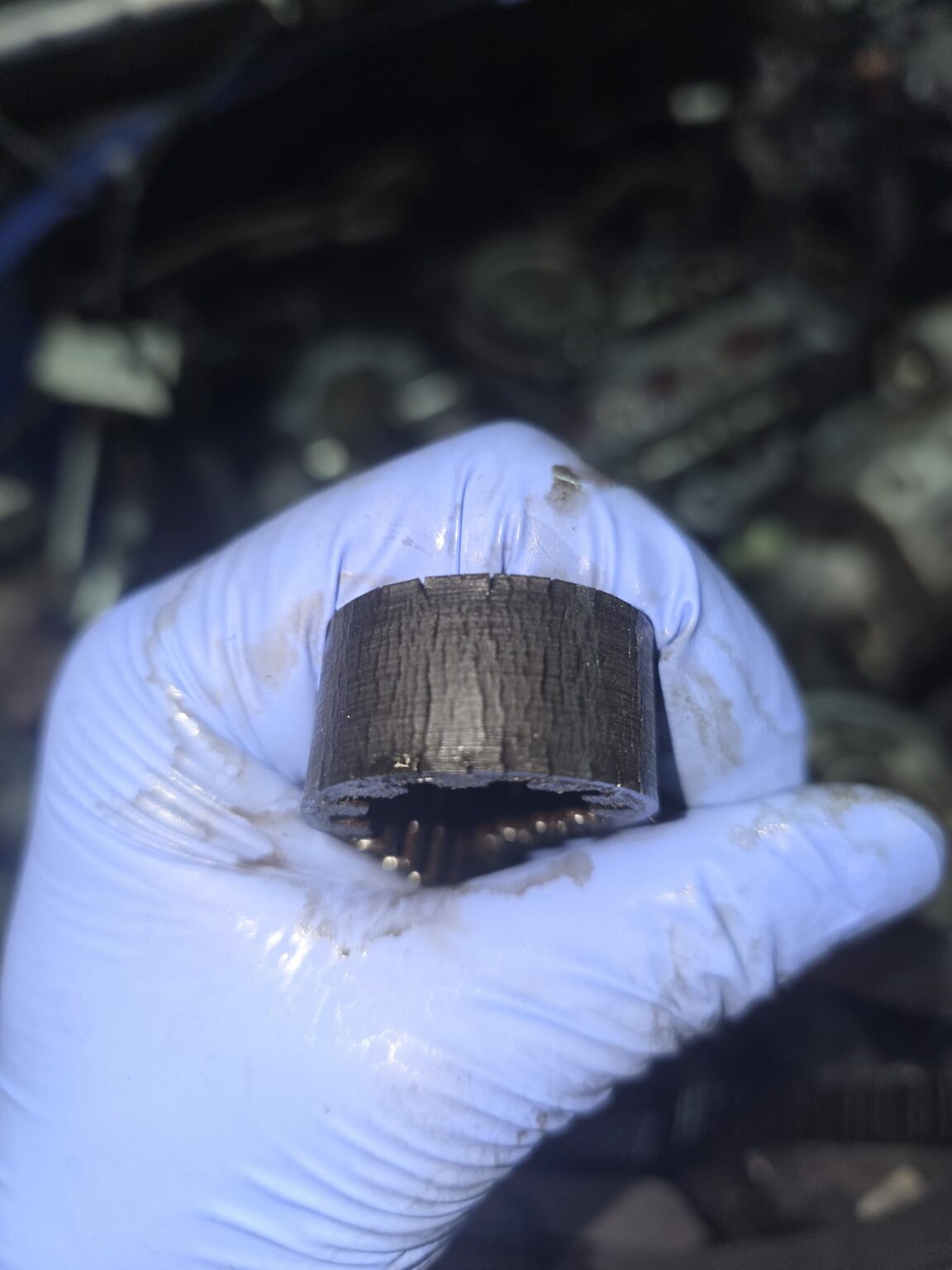
A wet belt is a timing belt that runs inside the engine, bathed in oil, instead of sitting dry behind a cover. Car makers moved to them because they’re quieter and, on paper, last longer. In the real world a lot of them haven’t, and they’ve become one of the most common big jobs we do.
The timing belt keeps the crankshaft and camshafts turning in step, so the valves open and close at exactly the right moment. If the belt slips or snaps, the pistons can hit the valves and the engine is badly damaged.
A wet belt has a second way to cause trouble. As it wears, it can start to break up, and because it lives in the oil, the debris goes round the engine with it. It collects in the oil pick-up strainer in the sump and can block it, starving the engine of oil.
The ones we see most:
If you’re not sure whether yours has one, give us the registration and we’ll tell you.
The belt is made to live in oil, but only the right oil, changed on time. Wrong-spec oil, stretched service intervals and fuel getting into the oil on lots of short trips all speed up the wear. The rubber swells, softens and starts to shed.
That’s why two cars of the same age can be in completely different condition. Age and mileage matter, but how the car’s been looked after matters more.
Plenty of belts give no warning at all before they cause damage. The only way to know for sure is to have it inspected.
If the belt’s due on age or mileage, replace it. If it isn’t due but you’re worried, an inspection will tell you its condition. On some engines that means measuring the width of the belt, because a swollen belt is a worn belt.
What we won’t do is change the belt and send the car back out. If debris has got into the sump and the oil pick-up, that has to be cleaned out too, or the new belt is wasted.
We replace wet belts on PureTech and Ford engines in our own workshop. The 1.2 PureTech is £900 including oil and filter, Ford EcoBoost starts from £1,100 and the 2.0 EcoBlue is £1,600. We check the oil pick-up and clean out any debris as part of the job, and we’ll tell you what we found.
Most belt jobs take us two days, because the sealant needs proper time to cure before the engine’s run.
It depends on the engine, and some manufacturers have shortened their schedules since these engines came out. Check the latest schedule for your car, or give us the registration and we’ll look it up.
Yes. If it isn’t due yet, an inspection tells you its condition and whether there’s debris in the oil. If it’s worn, we’ll price the replacement before doing anything.
Usually, yes. A belt costs a lot less than a replacement engine, and a failed belt can write off a small car.
1.2 PureTech £900 including oil and filter. Ford EcoBoost from £1,100.



 0114 698 1430
 sales@gtautomotivegroup.co.uk